Spring migration
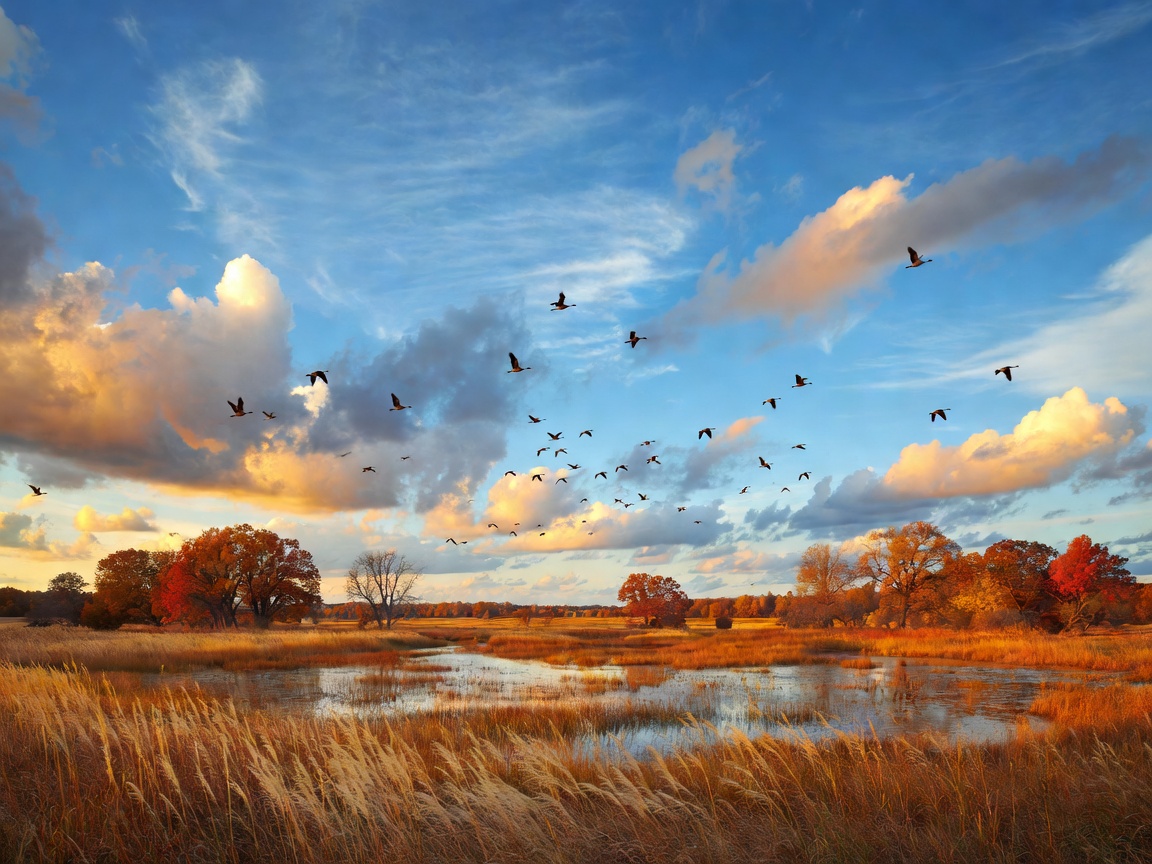
Spring can bring movement through coasts, wetlands, river corridors and woodland edges. The useful route may change as birds pass through, settle to breed or respond to weather. Mixed habitat is valuable because it offers feeding, cover and water within one planning area.
Expect variable conditions. Wind and rain can alter visibility and activity. Early starts may provide better light and quieter paths, but daylight and local access rules still govern the plan. Avoid nest areas and keep distance from territorial or breeding birds.
Summer breeding periods
Summer often favours local habitat structure over broad migration movement. Reed beds, woodland edges, upland valleys and agricultural margins can each require different pacing. Longer daylight may support extended routes, while heat can make shade, water and midday rest essential.
Breeding periods increase the importance of quiet behaviour. Do not use playback where it could disturb birds. Keep to marked paths, avoid repeated approaches and do not publish sensitive nest locations.
Autumn migration
Autumn movement can be influenced by wind direction, weather fronts and coastal geography. Headlands, islands, wetlands and river valleys may become useful observation categories, but the experience is highly variable. A planned circuit should include several habitat options rather than depend on one expected event.
Shorter daylight and unstable weather affect route timing. Keep a return margin. Wet ground, wind exposure and poor visibility can make the final section of a route slower than expected.
Winter birdwatching
Winter shifts attention toward open water, sheltered coasts, floodplains and lower-altitude habitats in many parts of Europe. Cold conditions can concentrate activity around unfrozen water, but this is not universal. Check current access and weather information before departure.
Low sun reduces viewing comfort and affects optical contrast. Warm layers, spare gloves, hot drinks where permitted and a shorter route option improve field resilience. Do not approach birds gathered at feeding or roosting areas.
Weather and daylight
- Wind changes sound, flight behaviour and scope stability.
- Rain can reduce visibility but may alter movement through open habitats.
- Fog affects navigation and makes elevated points less suitable.
- Short winter daylight limits route recovery time.
- Heat increases the need for shade, water and early planning.
Good for
Seasonal planning is good for choosing habitat, setting realistic expectations and preparing a weather fallback.
What to know
General patterns are not current sightings. Exact dates, species presence and migration intensity vary by location and year. Use current local information and responsible records without treating them as promises.
Building a seasonal itinerary? Send the field desk your dates and habitat brief →